
Shopping Cart





Siamese cat: one of the most sought-after (and most talkative) cat breeds in Spain
Categories :
Breed Guide
, I have a cat
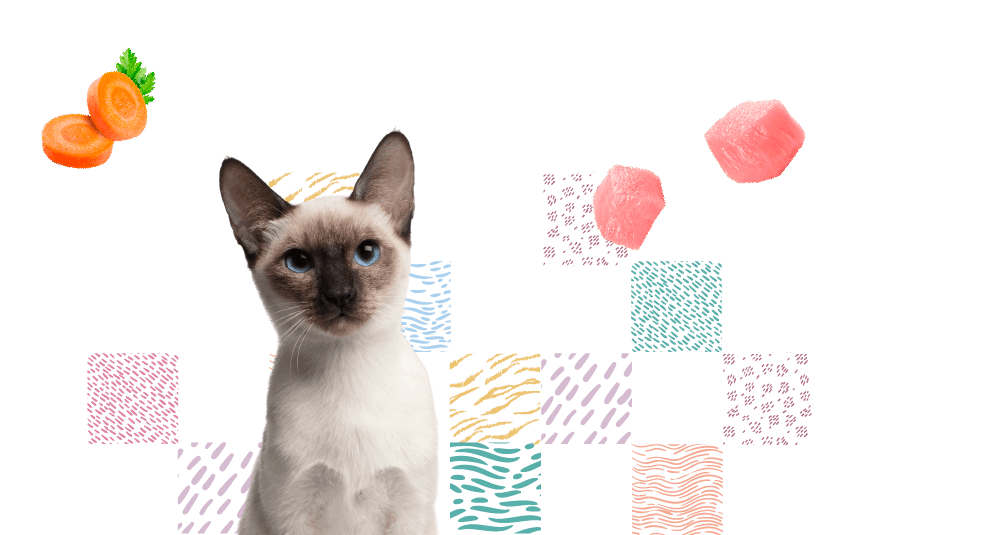
The Siamese is one of the most sought-after cat breeds in Spain, instantly recognizable by its blue eyes, slender body, and light-colored fur with much darker ears, face, paws, and tail. It's also one of the most vocal breeds: it's not uncommon for them to meow several times a day to get attention.
That distinctive coloring has a purely biological and little-known explanation, and the breed's slender, muscular body conceals nutritional needs quite different from those of other, more robust cats. In addition, they have a predisposition to dental problems that should be monitored from a young age.
A perfect post to talk about nutrition for active and lightly built cats, and the importance of dental care in a breed that tends to develop gum problems earlier than others.
Why does it have darker ears, face, and tail?
The Siamese cat's coat pattern is due to a variant of a temperature-sensitive enzyme involved in pigment production. In cooler areas of the body, such as the ears, muzzle, paws, and tail, the enzyme is more active and produces more color; in warmer areas, such as the torso, it is less active, resulting in lighter fur. This is the same reason why Siamese kittens are born almost white and their extremities gradually darken during the first few weeks of life.
One of the slimmest and most active cat breeds
Unlike breeds prone to fat accumulation, the Siamese has a lean, muscular build, a faster metabolism, and a high activity level. This doesn't mean it simply needs fewer calories, but rather a diet with high-quality protein to help maintain muscle mass and sustain energy levels, avoiding formulas designed for sedentary cats prone to weight gain.
Dental health: the weak point of the race
The Siamese is one of the cat breeds most predisposed to developing gingivitis and periodontal disease, sometimes from a relatively young age. Food with a texture designed to provide a mechanical cleaning effect through chewing helps to slow plaque buildup, although it does not replace regular veterinary checkups, which are especially recommended for this breed from the first year of life.
Hydration, a point to monitor in this breed
Like most cats, Siamese cats tend to drink less water than they need, a habit inherited from their desert ancestors that can take a toll on their kidneys and urinary tract over time. Since they are also a particularly active breed, maintaining good hydration is even more important. Incorporating wet cat food into their diet, even if it's combined with dry food, is one of the easiest ways to increase their water intake without relying solely on them drinking from the water bowl.
Share this content