Shopping Cart



Gastrointestinal and digestive disorders in dogs: types and causes
Categories :
I have a dog
Gastrointestinal and digestive disorders in dogs are one of the most frequent reasons for veterinary visits. These problems can affect the stomach, small intestine, large intestine, or the entire digestive system, causing symptoms ranging from mild discomfort to serious conditions requiring immediate attention.
Understanding what gastrointestinal and digestive disorders are in dogs , what their causes are, and how to identify them in time is fundamental to protecting the health and well-being of our pets.
What are gastrointestinal and digestive disorders in dogs?
Gastrointestinal disorders refer to any condition that affects the normal functioning of a dog's digestive system. This system is responsible for digesting food, absorbing nutrients, and eliminating waste.
When an imbalance, inflammation, infection, or intolerance exists, digestive symptoms can appear that compromise the animal's quality of life. Gastrointestinal and digestive disorders in dogs can be acute (of sudden onset and short duration) or chronic (persistent or recurring over time).
Types and causes of gastrointestinal and digestive disorders in dogs
There are multiple types of gastrointestinal and digestive disorders in dogs , and their causes can be very varied:
1. Acute gastroenteritis
It is one of the most common conditions. It can be caused by:
-
Sudden changes in diet
-
Ingestion of spoiled food
-
Intestinal parasites
-
Bacterial or viral infections
2. Food intolerances or allergies
Some dogs are sensitive to certain ingredients, which can cause intestinal inflammation, chronic diarrhea, or recurring vomiting.
3. Inflammatory bowel disease (IBD)
It is a chronic process in which the intestine becomes persistently inflamed, hindering the proper absorption of nutrients.
4. Intestinal parasites
Worms and other parasites can cause digestive problems, especially in puppies.
5. Intestinal obstructions
Ingestion of foreign bodies (toys, bones, objects) can cause blockages that require urgent veterinary intervention.
6. Stress and anxiety
A dog's digestive system is very sensitive to emotional changes. Stressful situations can trigger diarrhea or vomiting.
7. Pancreatic problems
Pancreatitis directly affects fat digestion and can cause severe gastrointestinal symptoms.
As we can see, gastrointestinal and digestive disorders in dogs can have a nutritional, infectious, inflammatory, or even emotional origin.
Most common signs of digestive disorders
Detecting symptoms early is key to acting quickly. The most common signs include:
-
Occasional or persistent vomiting
-
Acute or chronic diarrhea
-
Presence of blood in stool
-
Loss of appetite
-
Weight loss
-
Excessive flatulence
-
Abdominal pain
-
Lethargy or decline
If these symptoms last more than 24-48 hours or worsen, it is essential to see a veterinarian.
The importance of nutrition in digestive health
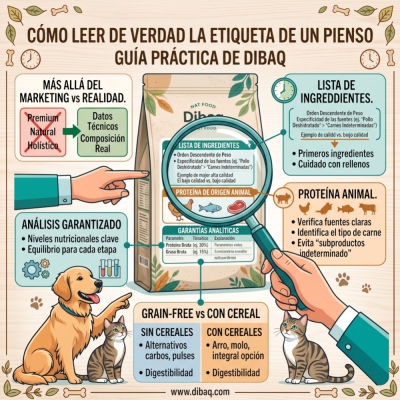
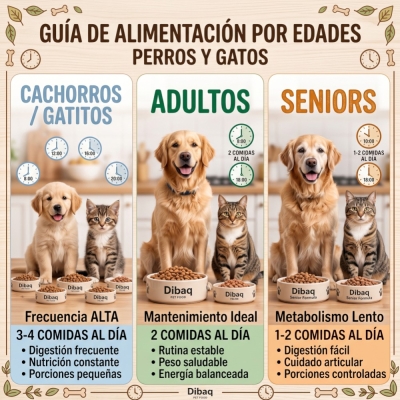
Nutrition plays a vital role in the prevention and management of gastrointestinal and digestive disorders in dogs . A balanced diet tailored to the animal's needs can make all the difference.
Some key aspects:
-
High-quality proteins that facilitate digestion.
-
Functional fibers that promote intestinal transit.
-
Prebiotics and probiotics that help maintain a balanced gut microbiota.
-
Highly digestible ingredients.
In addition, avoiding sudden changes in diet and making gradual transitions reduces the risk of digestive problems.
At Dibaq Petcare we are committed to formulas developed with natural and carefully selected ingredients, which contribute to healthy digestion and the overall well-being of the dog.
How to prevent gastrointestinal disorders in dogs?
Although they cannot always be avoided, it is possible to reduce the risk by following some recommendations:
-
Maintain a balanced and high-quality diet.
-
Deworm regularly.
-
Prevent the dog from ingesting garbage or foreign objects.
-
Perform regular veterinary check-ups.
-
Reduce stressful situations.
Prevention begins with good nutrition and constant observation of our dog's behavior and feces.
Share this content