Shopping Cart



Autumn: how to adjust your dog or cat's diet during the change of season
Categories :
Pet feeding
, Pet tips
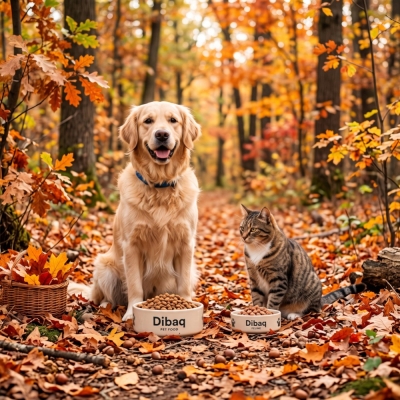
With the arrival of autumn, temperatures drop, daylight hours change, and, although many owners don't realize it, their dog or cat's appetite and needs also change. It's a good time to review their diet before the colder months arrive.
Autumn is also the time when many breeds begin to shed their fur to prepare their winter coat, a process that requires the body to provide extra quality protein and fatty acids to regenerate the coat without harming the skin.
In addition, with the drop in temperatures, metabolism tends to speed up slightly to maintain body temperature, which in some pets translates into more real appetite, although it should be distinguished from hunger due to boredom when walking routines change.
Autumn shedding: what your hair needs to regenerate
Changing from a summer coat to a denser winter coat consumes a lot of nutritional resources, especially quality animal protein, biotin, and omega-3 and omega-6 fatty acids. Without this extra supply, the new hair can grow in weaker and more brittle, and the skin is more exposed throughout the process.
Why does your pet seem hungrier these days?
When temperatures drop, the body expends slightly more energy to maintain body heat, which can result in a slight increase in appetite, especially in short-haired dogs or those that spend time outdoors. This genuine need shouldn't be confused with the habit of begging for food out of routine or boredom when walks are shortened due to bad weather.
Practical tips for the autumn transition
More frequent brushing helps remove dead hair and stimulates the skin during shedding. As for food, it's best to adjust it gradually based on the dog's actual activity level, check its weight every few weeks, and maintain consistent feeding times, as routine helps prevent the pet from trying to compensate for changes in its daily walks with food.
Share this content