Shopping Cart


Chihuahua: how to feed the smallest (and most spirited) dog
Categories :
Breed Guide
The Chihuahua is one of the most sought-after small breeds in Spain, and it's no coincidence: it fits in any apartment, travels easily, and has a personality ten times larger than its size. But being the smallest dog in the world comes with a series of nutritional requirements that very few owners are truly aware of.
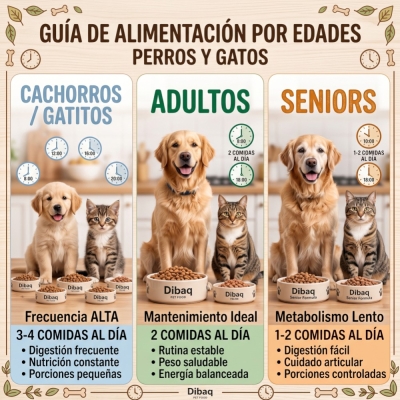
Their stomachs are tiny and their metabolisms are very fast, making them especially vulnerable to hypoglycemia, particularly as puppies: going too many hours without eating can cause their blood sugar to drop dangerously. That's why they need several small meals a day instead of one or two large ones. In addition, they have tiny mouths that can fit the same 42 teeth as a large dog, leading to dental overcrowding that promotes plaque, tartar buildup, and premature tooth loss if their food doesn't aid in mechanical cleaning.
This content is perfect for discussing small bites adapted to their jaw, high-energy formulas in small portions to support their metabolism, and specific dental care. It directly addresses very real questions people search on Google: How many times a day should a Chihuahua eat? Why does my Chihuahua have bad breath?
A small dog with a big dog complex
Originally from Mexico and named after the state it comes from, the Chihuahua is known as a lapdog, but it retains a strong character and independence: it can be wary of strangers and very attached to one person. This intense personality, combined with its small size, often leads to it being treated more as an accessory than as a dog with real needs for routine, gentle exercise, and, above all, regular feeding.
What exactly happens when your blood sugar drops?
Hypoglycemia in Chihuahuas, especially puppies and very young dogs, manifests as sudden weakness, tremors, disorientation, or even seizures, and can be triggered simply by skipping a meal, being cold, or doing strenuous exercise on an empty stomach. For this reason, veterinarians recommend feeding this breed three to four small meals a day instead of the usual two, and always carrying some food on hand when traveling or changing their routine.
Why tartar affects them earlier than other breeds
Having the same number of teeth as a large dog crammed into a tiny jaw, it's common for them to grow crooked or crowded, creating areas where plaque easily accumulates. A kibble with a size and texture designed to provide a mechanical brushing effect helps, but it doesn't replace regular veterinary checkups: in this breed, periodontal problems can appear before the age of three if not monitored from puppyhood.
Share this content